
A global hourly ISIMIP3 climate forcing dataset for impact modeling
The first hourly global climate dataset was recently released and is designed to enable more realistic sub-daily climate impact modeling.
The dataset is generated by temporally disaggregating the ISIMIP3 climate archives using the Temporal Disaggregation Tool (Teddy). The approach preserves mass and energy, reproduces trends and daily values (mean/max/min/sum), and maintains temporal coherence between variables. The disaggregation is applied per grid cell, so spatial coherence needs evaluation for your specific application.
The data provides a basis for applications requiring sub-daily forcing, such as extreme event analysis for crop modeling.
The disaggregated hourly climate data is now available for global land at 0.5° resolution for the reanalysis period (ISIMIP3a, 1901-2019 and 2020-2024 for 20CRV3-ERA5) and for the five CMIP6 climate models within ISIMIP (historical period 1850-2014 and scenario period 2015-2100 for SSP126, SSP370, SSP585). The dataset can be downloaded through the ISIMIP repository:
Data download:
Michel Bechtold, Florian Zabel, Benjamin Poschlod, Christian Otto, Jan Volkholz, Matthias Büchner (2026): Hourly ISIMIP3a atmospheric climate input data (v1.0). ISIMIP Repository. https://doi.org/10.48364/ISIMIP.736682
Michel Bechtold, Florian Zabel, Benjamin Poschlod, Christian Otto, Matthias Büchner, Jan Volkholz (2026): Hourly ISIMIP3b bias-adjusted atmospheric climate input data (v1.0). ISIMIP Repository. https://doi.org/10.48364/ISIMIP.170328
Data description paper (Preprint):
Michel Bechtold, Benjamin Poschlod, Christian Otto, Jan Volkholz, Matthias Büchner, Florian Zabel (2026): A global hourly ISIMIP3 climate forcing dataset for impact modeling. Earth System Science Data. https://doi.org/10.5194/essd-2026-227
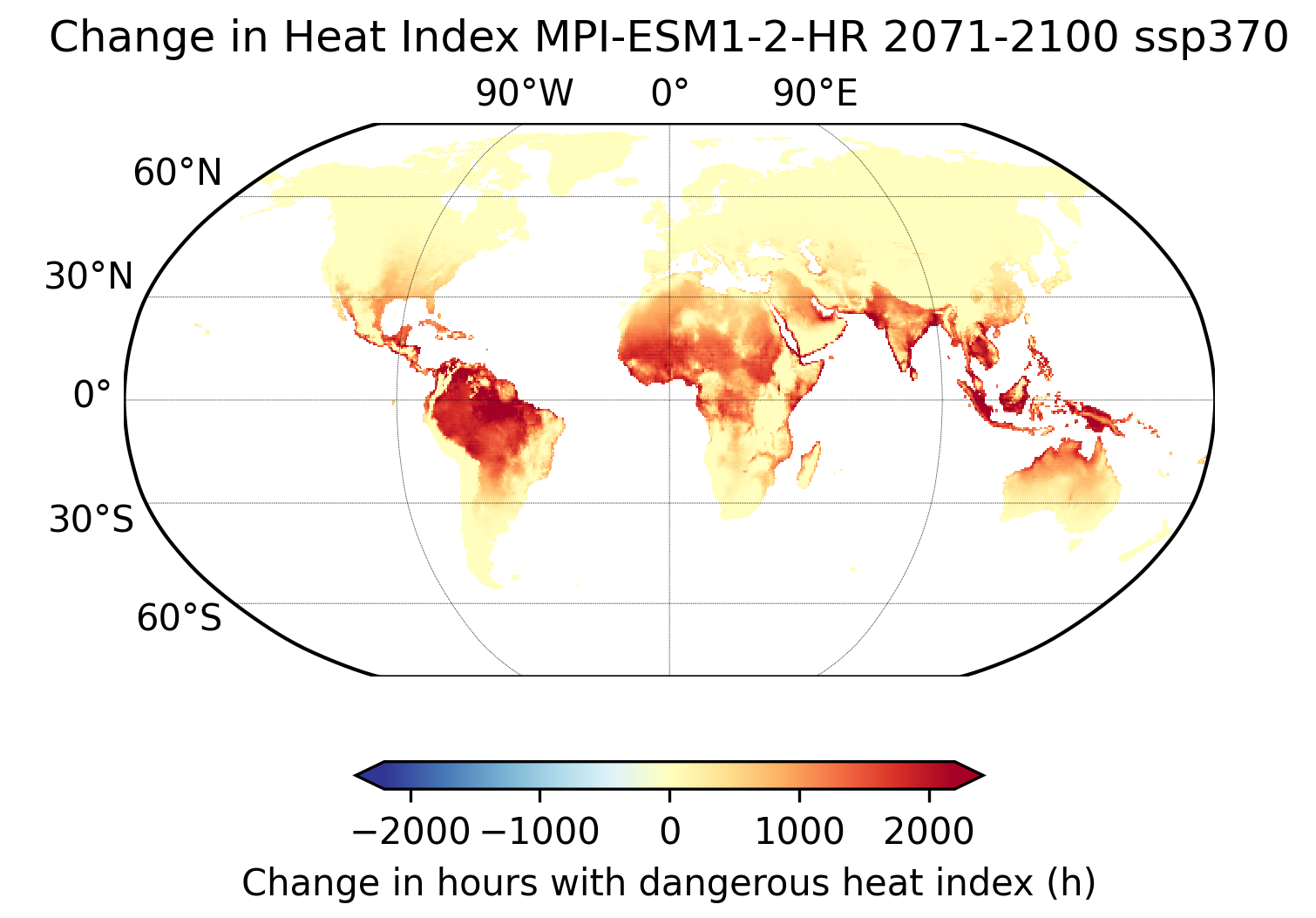
Figure 1. Change of the number of hours until
2071–2100 under SSP370.
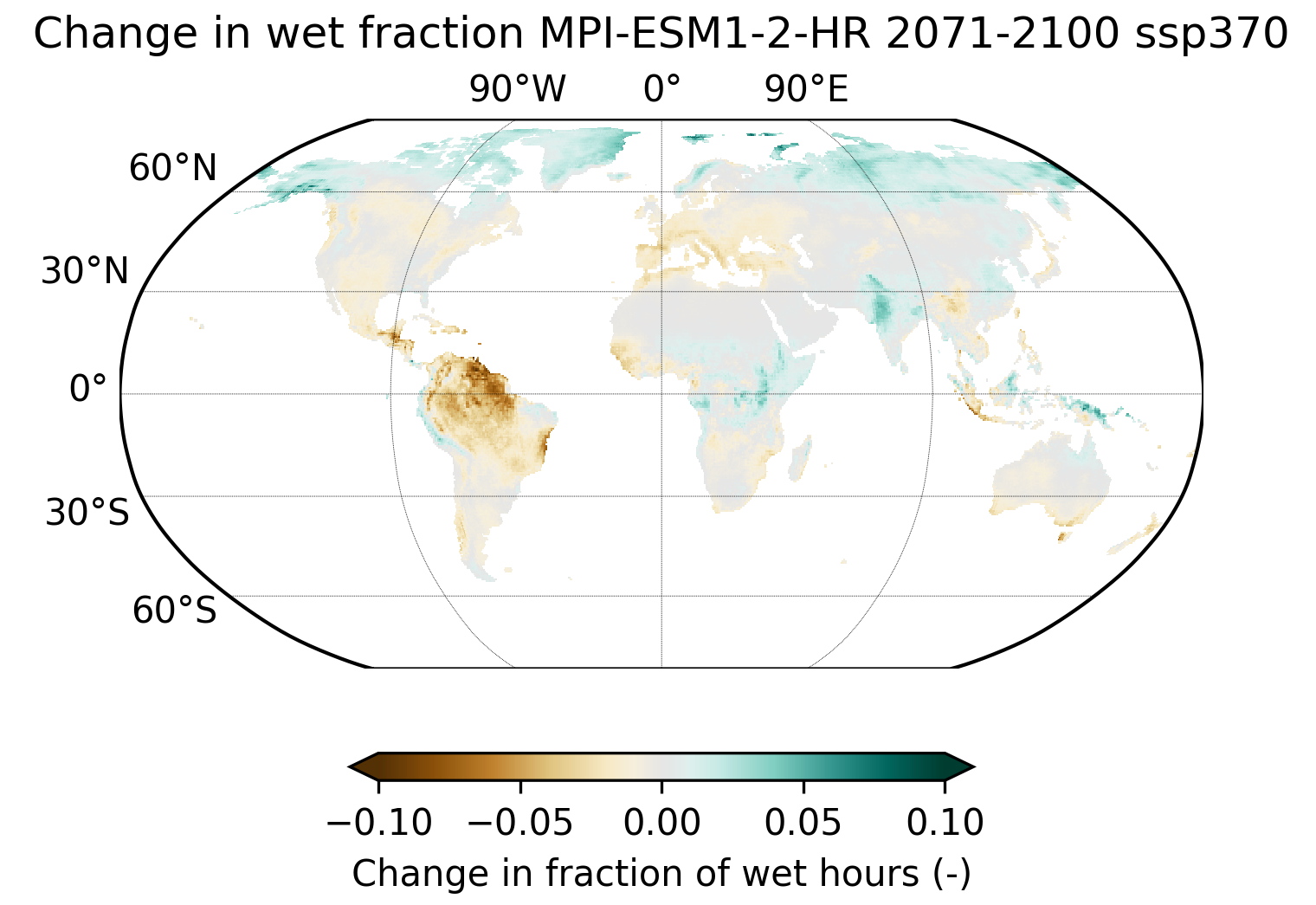
Figure 2. Change of the fraction of wet hours until
2071–2100 under SSP370.