Farm-MIP
New AgMIP project focused on Carbon Sequestration and Greenhouse Gas Emissions from Agriculture
September 15, 2025
AgMIP is conducting a model intercomparison and improvement project for carbon sequestration and greenhouse gas (GHG) emissions from agriculture (Farm-MIP). This project is advancing the state of science and model performance for quantifying soil C sequestration and GHG emissions linked to climate-smart agricultural practices. Accurately quantifying the climate outcomes of agricultural management, particularly soil carbon (C) sequestration and greenhouse gas (GHG) emissions, is crucial for informing farm management practices. However, existing quantifications are often highly uncertain due to significant spatial and temporal variability, limiting the ability to predict the impacts of farm management practices with confidence. To address this challenge, advanced modeling tools that account for the interactive effects of management and climate are essential, as they help bridge the gaps left by insufficient field observations, overly generalized emission factor-based estimates, and the need to explore alternative systems that have not yet been implemented.
AgMIP has a long history as a neutral facilitator with established working relations that include the major crop, carbon, GHG, food system, and climate modeling groups. AgMIP is engaging with major modeling group partners to develop a new common platform available for broader collaborations with a broad range of modeling groups. The project is generating standardized model testing datasets across different scales, establish data sharing and processing protocols, produce model intercomparison and ensemble outputs, and tools for all model users, at the field, regional, and national levels. The goal of this community-based model improvement effort, coordinated by AgMIP, is to significantly improve model accuracy and applicability, reduce model uncertainty, empower decision-making at multiple levels, and support stakeholders in achieving farm management practice goals. Finally, the project contributes to monitoring, measuring, reporting, and verifying (MMRV) activities by multiple actors, driving progress toward sustainable and resilient agricultural systems both nationally and internationally.
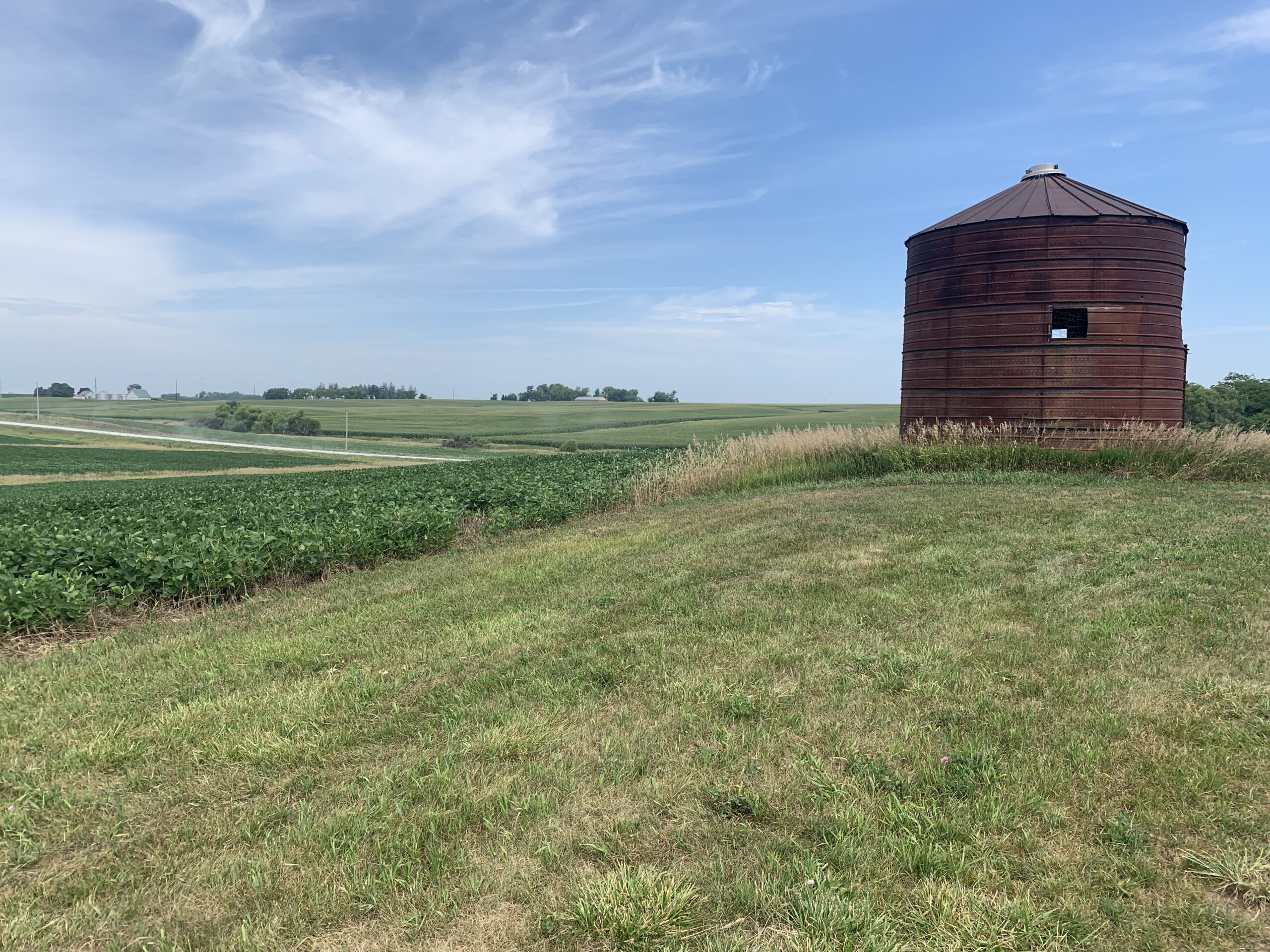
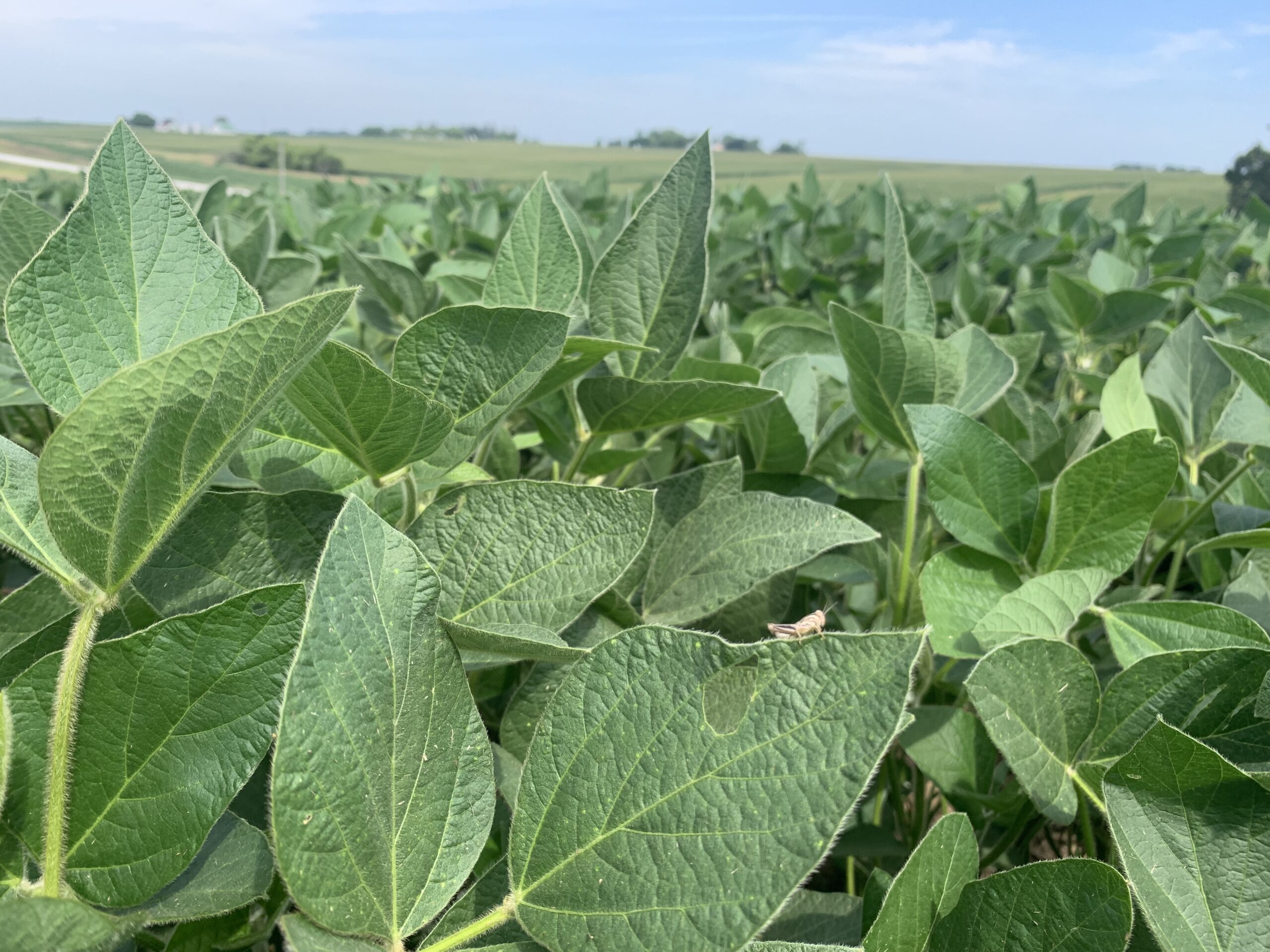
Photo credit: AgMIP